
Heatwave: Bad Habits That Increase Heat Instead of Relieving It!

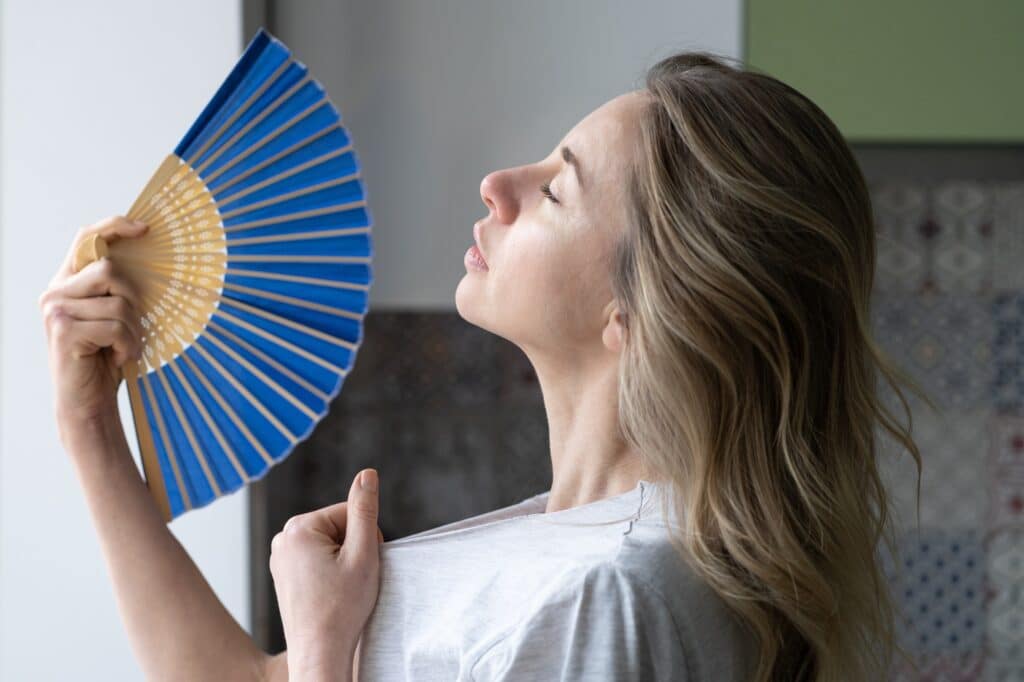
When the mercury rises and a heatwave sets in, it's tempting to try all sorts of tricks to cool down. However, some seemingly logical reflexes can actually be counterproductive, or even dangerous for the body. Understanding how the body regulates itself in hot weather can help you avoid actions that make the situation worse. Here are the most common mistakes to avoid and best practices to adopt to protect your health, skin, and hair during hot weather.
I. The “false reflexes” when faced with heat
Taking a cold shower seems like the ideal solution for cooling down quickly. However, this thermal shock causes the body to warm up even more, as the blood vessels contract suddenly. The result: a few minutes later, the feeling of heat returns even more intensely than before.
Drinking too much water is just as dangerous. While regular hydration is essential, drinking more than 2 liters per day without necessity can overload the kidneys and upset the balance of essential minerals. In extreme cases, this can lead to cerebral edema. Similarly, drinking ice-cold water or beverages is not recommended: the body has to work harder to warm up this excessively cold liquid, which increases energy expenditure and exacerbates dehydration.
Waiting until you are thirsty is another common mistake. Thirst is already a sign of dehydration. It is better to drink small amounts of water regularly, even if you do not feel the immediate need. Prevention is more effective than reaction.
II. Poor indoor air management
Opening windows during the day when the outside temperature is high does not cool the air; on the contrary, it lets in even more heat. It is better to keep shutters and windows closed during the day and only ventilate early in the morning or late in the evening, when the air is cooler.
Sleeping in front of a fan or too close to it is also a pitfall. Direct airflow over a long period of time dries out the mucous membranes, irritates the throat, and can cause nighttime muscle contractions. This is even more problematic for people with allergies, as the fan stirs up dust and allergens.
Setting the air conditioning to maximum is also a bad idea. A difference of more than 8 degrees between the inside and outside causes thermal shock, which can lead to headaches, respiratory problems, or discomfort. The indoor temperature should remain moderately lower than the outdoor temperature, around 5 degrees difference, to avoid these effects.
III. The effects of heat waves on skin and hair
The skin suffers particularly during heat waves. Excessive sweating dehydrates the epidermis and weakens the skin barrier. This fragility promotes the appearance of heat rash, redness, and dermatitis. Areas covered by clothing are most affected, as heat and humidity promote irritation. Internal hydration (drinking regularly) and external hydration (applying light moisturizers) are therefore essential.
Hair is not spared. UV rays break down melanin, which lightens the color and weakens the hair fiber. Keratin deteriorates, leading to a loss of shine, increased dryness, and a risk of breakage. The scalp can also become irritated and dry, or conversely produce more sebum to compensate. Without protection, hair becomes dull, dry, and brittle after a few days of prolonged exposure.
IV. How to better cope with heat waves
To cool down without harming your body, it is best to opt for lukewarm or slightly cool showers, without thermal shock. Regularly moistening your face, neck, and forearms with lukewarm water helps to gently lower your body temperature. Hydration should be spread out throughout the day: drinking water at room temperature in small sips is much more effective than drinking a large amount all at once.
Inside, it is advisable to create a cool atmosphere by keeping the shutters closed and ventilating only when the outside air is cooler. At night, placing the fan indirectly, toward a wall or the floor, allows air to circulate without drying it out excessively.
To protect your skin, it is essential to apply a light moisturizer and sunscreen every day. As for your hair, a hat or scarf is the best barrier against UV rays, and nourishing or protective hair care products can limit damage.


