
Japanese Layering: The Fascinating Ritual That Transforms Your Skin in 6 Steps

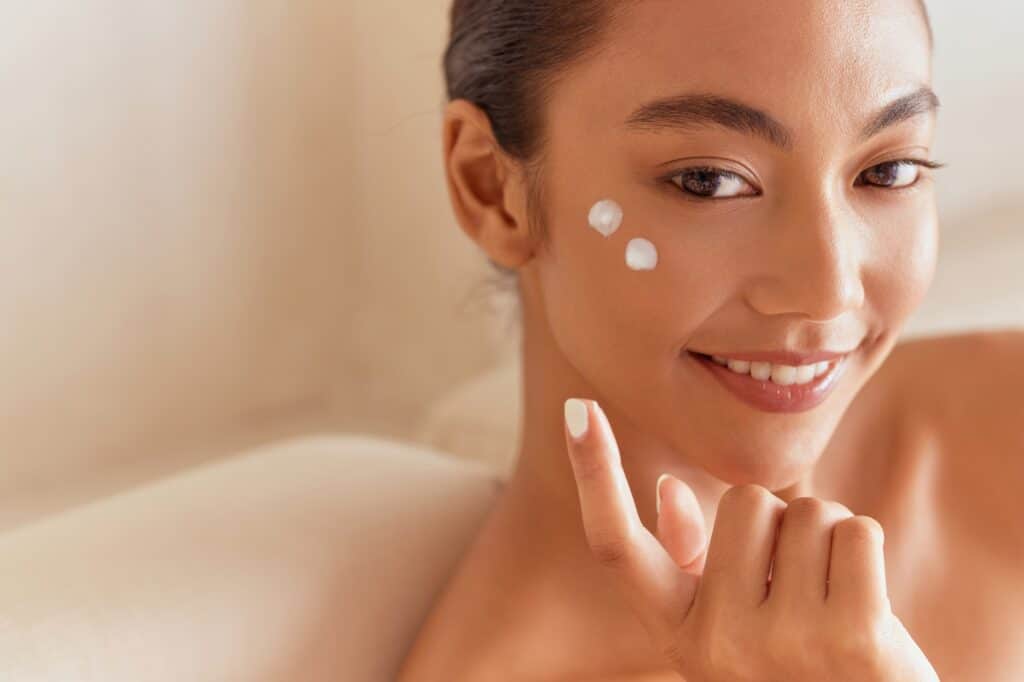
In a world where simplicity is the trend, one practice elegantly and rigorously bucks the trend: Japanese layering. This skincare technique, also known as «cosmetic millefeuille,» promises radiant, smooth, and perfectly hydrated skin, not in a single step, but by methodically layering several products.
So, is this just a passing trend or a real turning point in cosmetics? Here is a comprehensive guide to understanding layering, its benefits, its basic rules, and, above all, how to effectively incorporate it into your routine.
Definition: What is layering?
Layering is a facial care method that involves applying several layers of products in a specific order, with each step having a specific function: cleansing, moisturizing, treating, and protecting.
A philosophy of care rather than a simple ritual
Layering is part of a holistic approach to beauty: caring for your skin with patience, regularity, and precision. Unlike some minimalist Western routines, this Japanese approach is based on a simple belief: each layer of skincare is complementary and essential to overall effectiveness.
Why adopt layering?
1. Deep hydration and nourishment Each product provides a key active ingredient. By applying them one after the other, the skin is deeply nourished, strengthening the skin barrier.
2. Targeted action according to needs : Imperfections, wrinkles, spots, lack of radiance... Layering allows you to tailor your skincare routine to each skin concern.
3. Prevention of aging Thanks to the use of products rich in antioxidants, the skin is better equipped to fight the signs of aging.
4. Radiant complexion : The ritual promotes an even, luminous, and visibly rested complexion, day after day.
The 6 fundamental steps of Japanese layering
1. Oil-based makeup removal
Use a gentle vegetable oil to dissolve makeup, excess sebum, and pollution particles. This step provides initial cleansing without damaging the skin.
2. Aqueous cleaning
A foaming cleanser or gentle gel can be used to remove any remaining oil residue and impurities. Choose one that suits your skin type (sensitive, oily, dry, etc.).
3. Toning lotion
It rebalances the skin's pH, lightly moisturizes, and prepares the skin to better absorb subsequent skincare products. Apply by patting, either with your hands or using a cotton pad.
4. Targeted serum
Serum is a concentrate of active ingredients. Choose it according to your goals: anti-aging, radiance, anti-blemish, hydration, etc.
5. Eye contour
This is a particularly delicate area that requires specific care to prevent or correct dark circles, puffiness, and fine lines.
6. Moisturizing or nourishing cream
It seals in all previous treatments, prevents water loss, and protects the skin from external aggressions. In the morning, choose a cream with a high SPF.
Mistakes to avoid when layering
- Skip a step Each product plays a specific role. Omitting one throws the entire routine off balance.
- Choosing the wrong products All skincare products must be compatible with your skin type.
- Using too many active ingredients at the same time : This may irritate rather than heal.
Adaptation according to skin types
Dry skin : opt for rich textures, nourishing oils, and hyaluronic acid serums.
Oily skin : Choose light serums, purifying lotions, and non-comedogenic moisturizers.
Sensitive skin : choose fragrance-free skincare products with minimalist, soothing ingredients.
Combination skin : Target different areas with treatments tailored to each need.
Consistency and patience: the key to success
Layering does not produce instant magical results, but its effects are long-lasting with daily application, morning and evening. The first improvements are visible after 2 to 3 weeks: refined skin texture, more even complexion, increased feelings of comfort.
Should you use a scrub or a mask?
Yes, in addition to layering, a gentle weekly exfoliation helps remove dead skin cells and promotes the absorption of skincare products. Masks, applied once or twice a week, target specific needs (radiance, nourishment, purification).
.


