I'm reviewing Bioderma's Sebium Mat Control cream—what does the Beautydecoded analysis reveal?

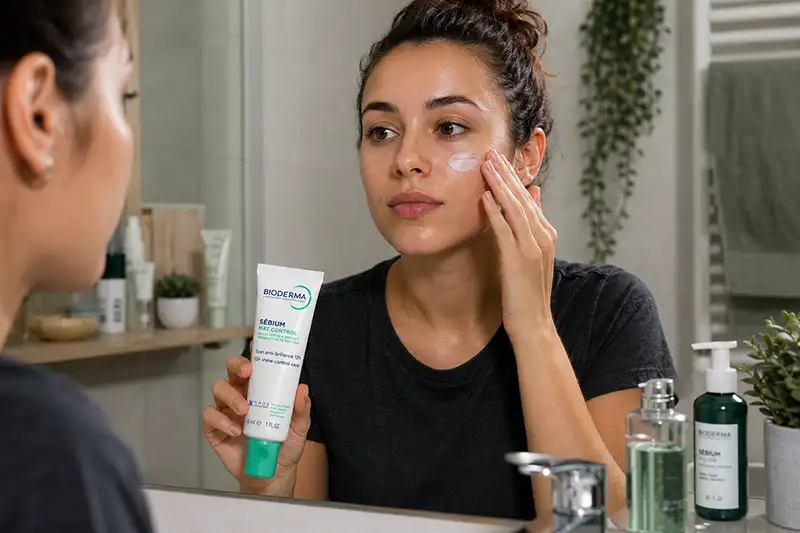
On paper, this product checks all the boxes for combination to oily skin: 12 hours of shine control, 93 % users who find their skin looks matte, zinc, vitamin B6, salicylic acid, and mattifying powder.
📌 See also: Laser and LED Hair Caps: How Good Are the New NOOĀNCE X400 and X600, Really?
And when you look at the INCI list, one thing stands out: Silica ranks third.
Except that when you take a closer look at the ingredients list, something doesn’t quite add up. Behind this absorbent powder lies a formula that’s much more lipid-rich than you’d expect from a cream designed for oily skin. And the much-touted patented «technology» is, in my opinion, based on ingredients that are much more conventional than they appear.
So, is this a good cream for oily skin—or not? I took a closer look at its ingredients.
Where Does the Mattifying Effect Really Come From? Silica
The ingredient list begins as follows: AQUA, GLYCERIN, SILICA.
This silica in third place is the most important piece of information on the entire list.
This powder is used for its absorbent properties. It absorbs some of the sebum on the skin’s surface, reduces shine, and leaves the skin feeling drier. It is therefore most likely the main factor behind the immediate mattifying effect.
And this is a point that must be carefully distinguished from the discussion of «sebum regulation.».
Absorb the sebum The oil already present on the skin’s surface has nothing to do with reducing sebum production by the sebaceous glands. Silica acts on the first mechanism: it visually controls shine. It does not change what the skin produces.
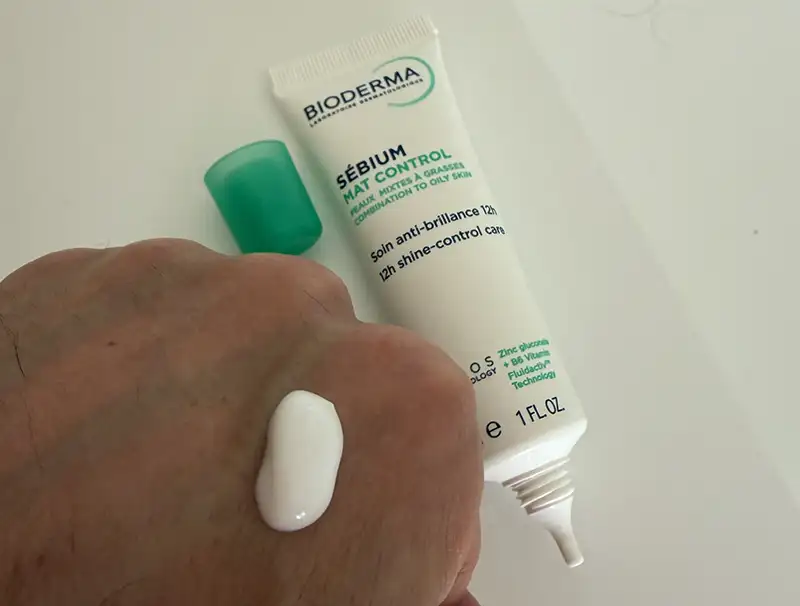
Does "matte" mean "light"?
This is where the formula gets interesting.
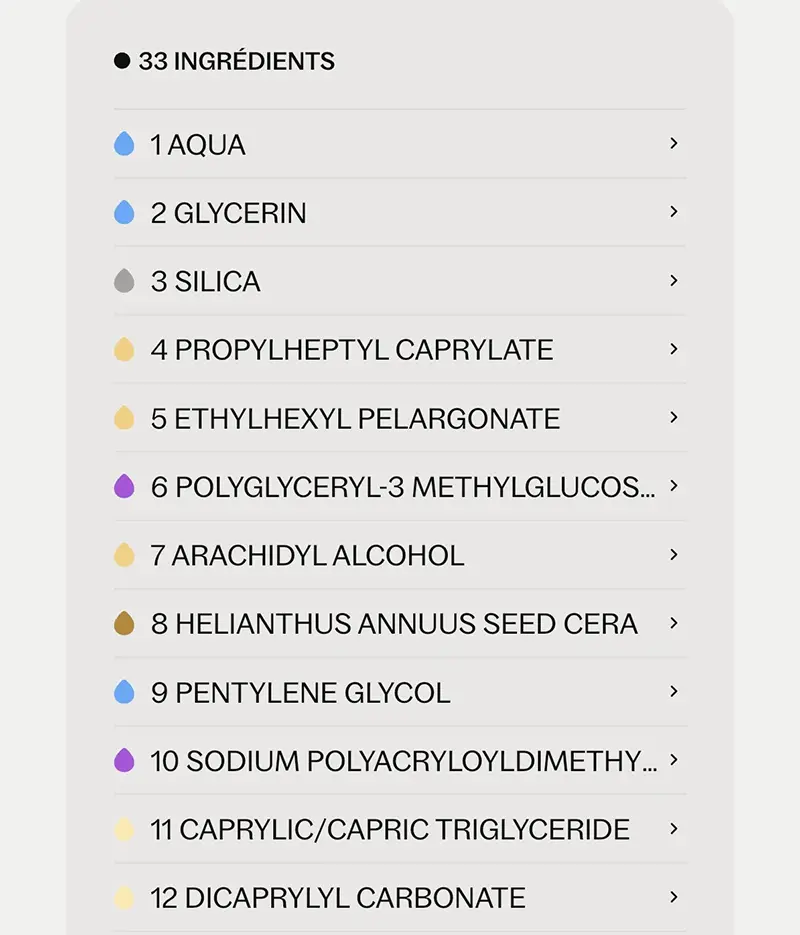
When you buy a cream designed for oily skin, you expect it to have a low-fat formula. But take a look at the ingredients in the image: this is a screenshot of the ingredients list from beautydecoded, and you can see a lot of yellow and even an occlusive ingredient.
- 4 PROPYLHEPTYL CAPRYLATE
- 5 ETHYLHEXYL PELARGONATE
- 6 POLYGLYCERYL-3 METHYLGLUCOSE DISTEARATE
- 7 ARACHIDYL ALCOHOL
- 8 HELIANTHUS ANNUUS SEED WAX
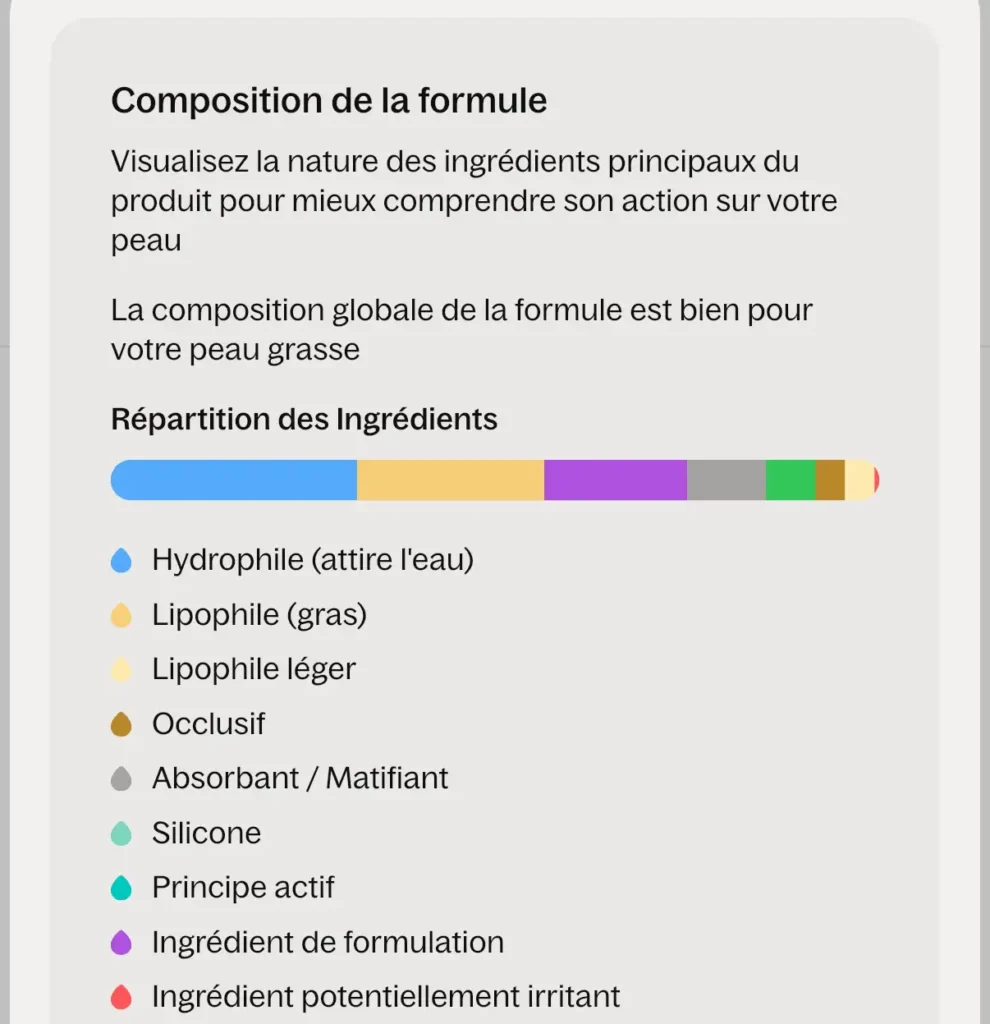
So there are several emollients, fatty alcohols, and a vegetable wax fairly high up on the list.
Let's be specific, because that's exactly the oversimplification I'm trying to avoid: A high lipid content does not automatically mean the product feels greasy.
We must therefore distinguish between two things that marketing often confuses:
- the composition of the formula, which is quite high in fat here; ;
- the perception on the surface, treated to remain dry and matte.
This cream has a distinctly matte finish. Its texture is significantly less «light» than that of a simple moisturizing gel. The two concepts aren’t contradictory, and that’s what makes the formula so clever: lipids are added for comfort, and then their perceived texture is balanced out with silica and emollients that feel dry to the touch.
A truly creamy texture, not a gel
This is far from an ultra-light gel. Gelling agents, fatty alcohols, wax, emulsifiers, and structuring agents: the texture should be that of a true, full-bodied cream, with a finish that has been formulated to remain dry and matte.
This is an important factor to consider when choosing a product for very oily skin.
And what about assets?
The brand highlights a proprietary technology designed to target «sebum oxidation and thickening» to prevent clogged pores. TOCOPHEROL (#31), PROPYL GALLATE (#30), and SODIUM METABISULFITE (#28).
The combination of ZINC GLUCONATE + PYRIDOXINE HCL (vitamin B6) to «long-term control shine by regulating sebum production.».
Zinc is a beneficial ingredient in skincare products for oily and blemish-prone skin.
You can also find some’SALICYLIC ACID in 20th place. An ingredient that is ideal for oily and blemish-prone skin: fat-soluble, used for its keratolytic and exfoliating properties.
The scent: the one small downside
The formula contains FRAGRANCE, which, fortunately, is listed last. This isn't a problem for everyone, but for those with sensitive or reactive skin, it's something I take into account.
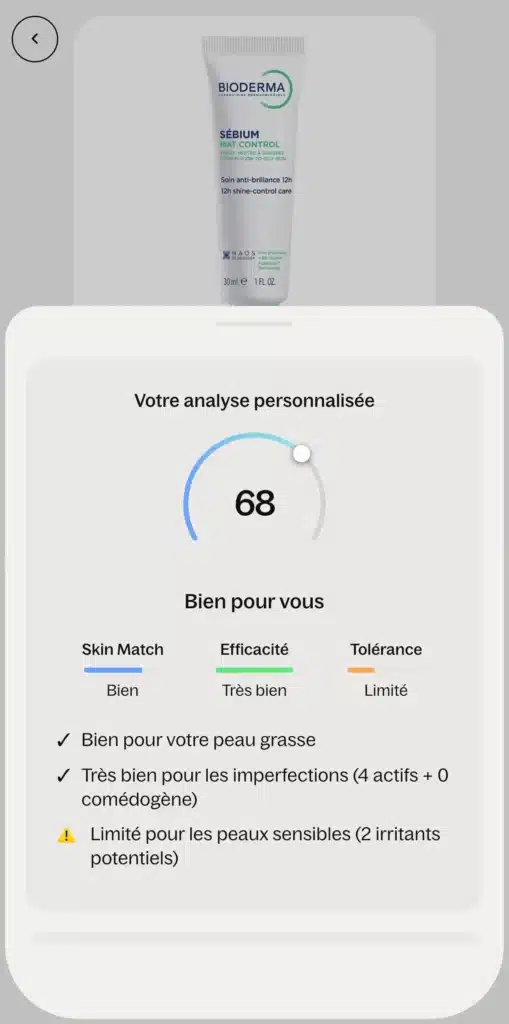
Beauty Decoded's Review
This cream is a textbook example. At first glance, you’d expect a mattifying cream to be lightweight. A thorough analysis reveals something more subtle: a well-structured cream, rich in emollients and fatty agents, whose sensorial qualities are offset by a strong mattifying component, which gives it a drying effect, just as the brand claims.
But don't confuse a matte finish with low oil content: this cream definitely has the former, but much less of the latter.
Ultimately, this is a good example of how difficult it is to judge a cosmetic product based on a single ingredient. A high concentration of silica indicates a mattifying finish, but it doesn’t tell us whether the formula is light or rich, nor whether the organic claims on the packaging are valid.
Sylvain David
Community Feedback
This product has just been added to the Beauty Decoded app, and there are currently no user reviews available.
Scan your mattifying cream in 3 seconds
A well-placed silica ingredient doesn't tell the whole story about a formula. To find out if your «oily skin» cream is truly lightweight or just mattifies the surface Download the Beauty Decoded app (iOS and Android) Scan your products, decipher their INCI lists, and compare what the packaging promises with what the formula actually contains.