
N-Acetylglucosamine: The Sugar That Regenerates Skin and Joints

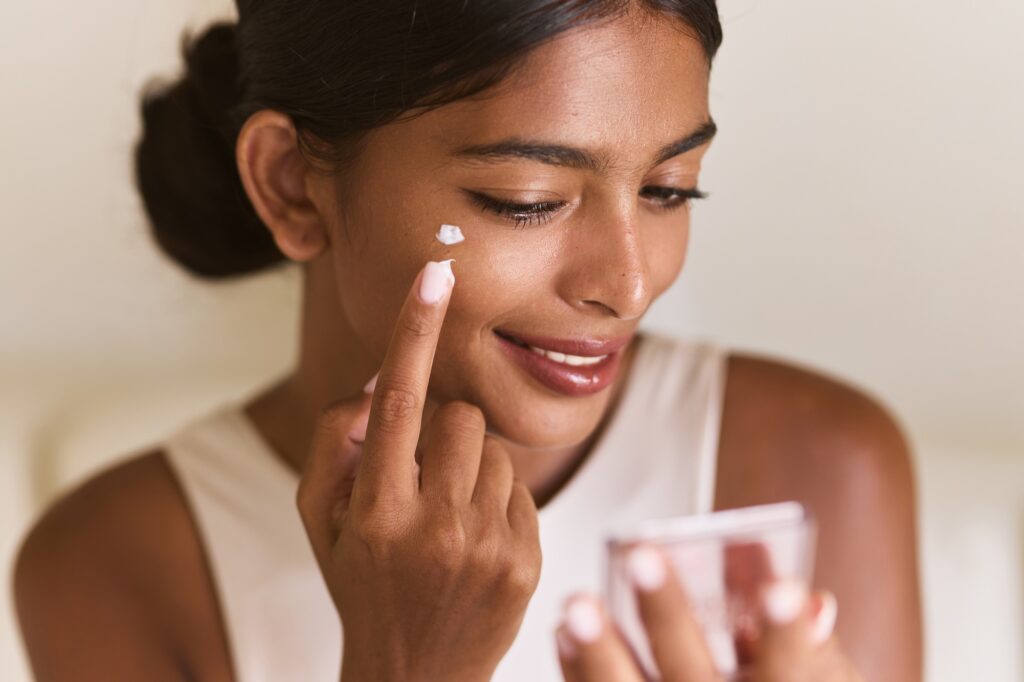
A single small molecule, naturally produced in the body, is enough to boost hyaluronic acid production, even out skin tone, and preserve cartilage flexibility. However, the N-Acetylglucosamine (NAG) remains unknown to the general public. Discover how this amino sugar works deeply and how to incorporate it into your wellness routine.
1. What is N-Acetylglucosamine?
NAG is a carbohydrate whose structure is based on that of glucose. Derived from’acetyl glucosamine a simple sugar, of which it is a variant known to be more stable and effective, it can be produced by synthesis or bio-fermentation and meets vegan requirements. Present in chitin (major component of the cuticle) and glycosaminoglycans (which give bone cartilage its sponge-like structure to limit friction), N-acetylglucosamine is a direct precursor of hyaluronic acid (HA), the skin's moisturizing matrix and key lubricant in synovial fluid.
2. A strategic precursor to hyaluronic acid
Studies show that NAG supplementation significantly increases hyaluronic acid synthesis in dermal fibroblasts. NAG therefore helps the skin to naturally produce its own HA, which can retain up to 1,000 times its weight in water. The result is an increase in dermal density and a visible reduction in dehydration wrinkles, observable after just eight weeks.
3. Hyperpigmentation
NAG is a versatile antioxidant that inhibits tyrosinase. A recent study showed (with a dosage of 4%) a significant decrease in facial melanin index after 56 days of use, with no reported irritation.
4. Soothing and anti-inflammatory effect
The anti-inflammatory properties of NAG reduce the release of pro-inflammatory cytokines. This action helps to calm redness and skin discomfort, particularly in sensitive skin prone to inflammatory acne.
5. Joint support
When taken orally (500–1,000 mg/day), NAG contributes to the synthesis of cartilage and synovial fluid. Several controlled trials report a reduction in pain and improved mobility in subjects with mild to moderate osteoarthritis.
6. Cosmetic use
- Topical : creams, serums, or gels, typically dosed from 2% to 8%. Experts consider these concentrations safe for daily use on healthy skin.
- Capillary Glucosamine HCl acts as an antistatic agent and conditioner, making hair easier to detangle and reducing static electricity.
7. Synergies to be aware of
- Niacinamide + NAG : optimizes skin tone uniformity by targeting complementary stages of melanogenesis, offering more consistent lightening without damaging the skin.
- Peptides + NAG : strengthening of the dermal matrix through cross-linking of collagen and HA.
8. Precautions and adverse effects
- Contraindications : pregnancy, breastfeeding, children under 12 years of age.
- Side effects : rare digestive problems at high doses.
- Possible interaction with certain anti-inflammatory treatments; medical advice recommended.


