Lactobionic Acid: The Ingredient for Smooth, Hydrated Skin

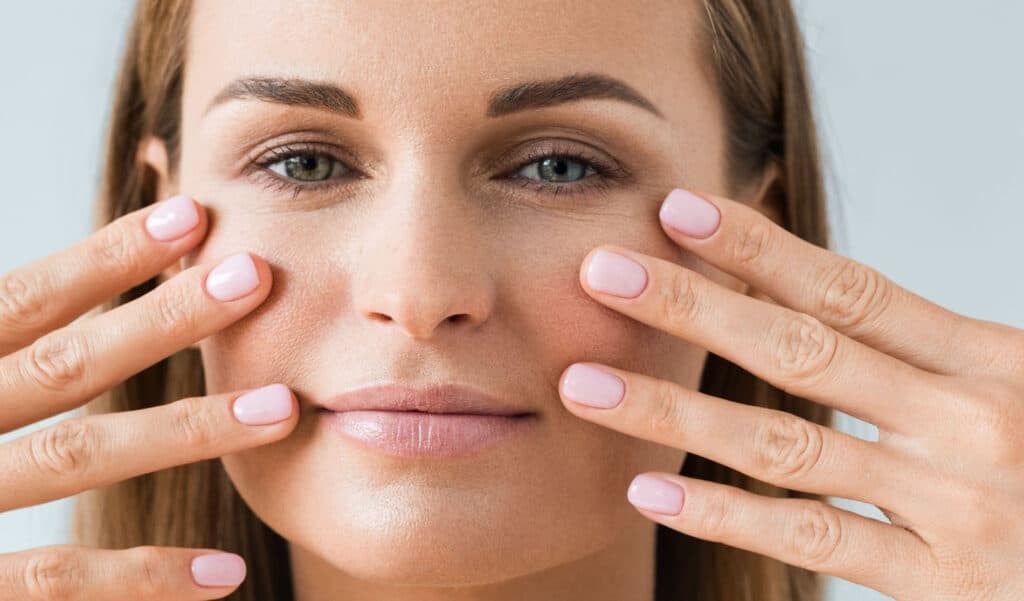
Sensitive skin? The exfoliator that even reactive skin can finally tolerate
You have sensitive skin, and every time you try to exfoliate, it turns into a disaster: redness, tightness, and a burning sensation. As a result, you’ve put your exfoliating acids away in the closet. What if the problem isn’t exfoliation itself, but the type of acid you’re using?
Still relatively unknown to the general public, lactobionic acid is part of the third generation of chemical exfoliants. It belongs to the PHA family—polyhydroxy acids that are a game-changer for problematic skin.
PHA: The Gentle Version of Exfoliating Acids
To understand lactobionic acid, we need to put it into context. In the cosmetics industry, three families of acids dominate the market.
AHAs (glycolic acid, lactic acid) work on the surface and penetrate quickly. BHAs (salicylic acid) penetrate deep into the pores. And then there are PHAs, which include lactobionic acid.
What sets them apart is their size. PHA molecules are much larger than AHA molecules. As a result, they penetrate the epidermis more slowly and only at a superficial level. In practical terms, this means a gradual effect, without the spike in irritation typically associated with glycolic acid.
Three actions in a single molecule
Lactobionic acid does more than just exfoliate. That's what sets it apart.
Gentle Exfoliation
It breaks down the bonds between dead surface cells. The skin renews itself, the complexion becomes more radiant, and the skin texture is refined. But thanks to its large molecule, this process occurs gently, day after day.
True moisturizing power
That's its signature feature. Lactobionic acid is a humectant: it attracts and retains water in the stratum corneum. While an AHA can dry out the skin, lactobionic acid helps maintain the hydrolipidic film. Exfoliating and moisturizing in a single step is rare.
Antioxidant protection
Lactobionic acid also has the ability to neutralize certain free radicals and chelate metal ions involved in oxidative stress. This is a welcome bonus in an anti-aging routine.
Who is it for, and how can it be integrated?
It’s the ideal ingredient for sensitive, reactive skin prone to redness—or simply for anyone just starting out with acids.
Use it in the evening, on clean skin, before applying moisturizer. Like any exfoliant, it slightly increases sensitivity to the sun: using SPF protection the next morning is essential.
Beauty Decoded's Review
Lactobionic acid is a perfect example of a point I often make: in dermatology, stronger doesn’t mean better. Many patients come in with a damaged skin barrier caused by acids that are too harsh and used too often. The PHA offers a smart alternative. Its gentle, gradual action is precisely what makes it tolerable. For reactive skin, it’s often the only way to reap the benefits of exfoliation without suffering the inflammatory side effects. I especially recommend it during the reintroduction phase, when you want to retrain skin that’s used to reacting at the slightest provocation.
3. Why is it beneficial for the skin?
. Gentle exfoliation without irritation
Its slow penetration, thanks to its large molecular structure, allows for gentle exfoliation that limits the risk of redness, tightness, or flaking. Even reactive skin can benefit from a more even and luminous complexion.
. Intense hydration
Thanks to its moisturizing properties, it attracts and retains water in the stratum corneum, contributing to supple, plump, and comfortable skin.
. Antioxidant and anti-aging action
Lactobionic acid neutralizes free radicals and protects the skin barrier from oxidative stress. Over time, it reduces fine lines, boosts radiance, improves elasticity, and strengthens skin density.
The Community's Opinion
On the Beauty Decoded app, PHA-based formulas live up to their reputation for gentleness. The Calm Down 4% PHA + BHA Geek & Gorgeous has a rating of 4.77/20 based on 13 reviews, and user feedback all revolves around the same word: softness.
A user with very reactive skin describes a product that «brings sensitive skin and exfoliation together,» without causing any redness. Another user confirms that it doesn’t dry out the skin, despite its low pH. A telling detail: several users mix it daily with vitamin C, proof of excellent tolerance when used together.
When it comes to blemish-prone skin, the Sebiaclear Micro Peel SVR (5/5 based on 5 reviews) is popular for its refreshing feel and suitability for daily use without causing dryness, even with repeated use.
The community's findings align with scientific evidence: these formulas exfoliate without being harsh on the skin.
Want to know if your exfoliants are really gentle on your skin barrier? Download the free app Beauty Decoded (iOS and Android), scan your products and decode their ingredients in an instant. You'll finally see what those acids are really doing to your skin.