Deep Plane Facelift vs. SMAS Plicature: Is the Most Popular Technique Really the Best?


On social media, the verdict seems unanimous: the Deep Plane Facelift is said to be the «next-generation» technique, superior in every way to the older SMAS plication technique. But what do scientific studies actually say when the two techniques are compared based on objective criteria?
📌 See also: Courteney Cox, Monica from *Friends*: When Injections Make You Look Older Instead of Younger
What is anatomically established
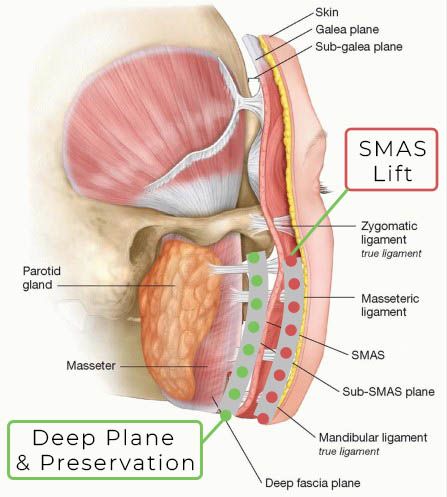
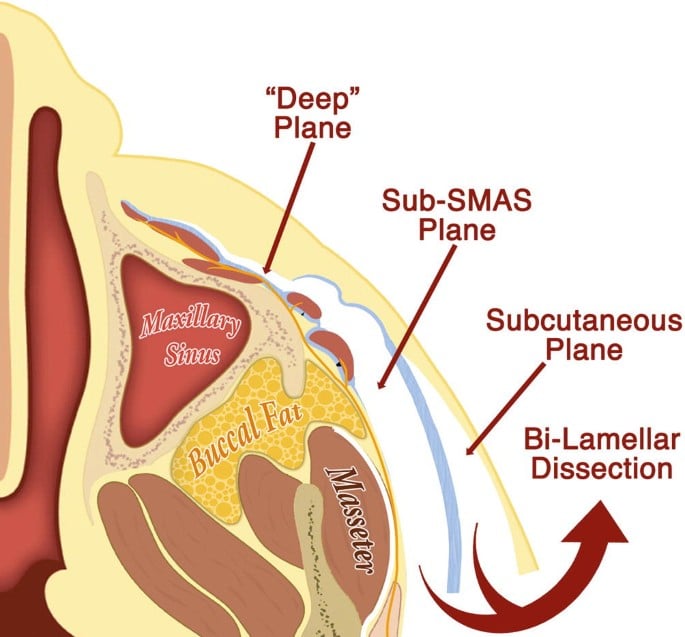
The Deep Plane technique allows for deeper mobilization of the midface tissues by completely releasing the retaining ligaments. This anatomical advantage is widely recognized and documented in the surgical literature. That is not the real question, however; the real question is whether this additional mobilization actually translates into better outcomes for the patient.
What Comparative Studies Show
A preliminary study, published in the early 2000s, had several experienced surgeons conduct a blinded evaluation of before-and-after photos of patients, half of whom had undergone Deep Plane surgery and half of whom had undergone SMAS plication. The result: not only did the Deep Plane technique not perform better, but overall, SMAS plicature procedures received higher ratings among patients under 70 years of age. The Deep Plane technique showed only a slight advantage among patients over 70 years of age.
A a more recent prospective study, which included 70 patients—all of whom were operated on by the same surgeon who used both techniques interchangeably—found no significant difference between the two approaches.
Finally, a a recent article co-authored by James Stuzin and Rod Rohrich Two of the world's most renowned facial surgeons conclude that Deep Plane techniques, which extend the dissection beyond the retaining ligaments, have not demonstrated any significant improvement in the midface region or longer-lasting results over time.
What Really Makes the Difference
Having practiced both techniques, I am convinced that it is not the name of the technique that determines the result, but the way it is executed. What really matters is:
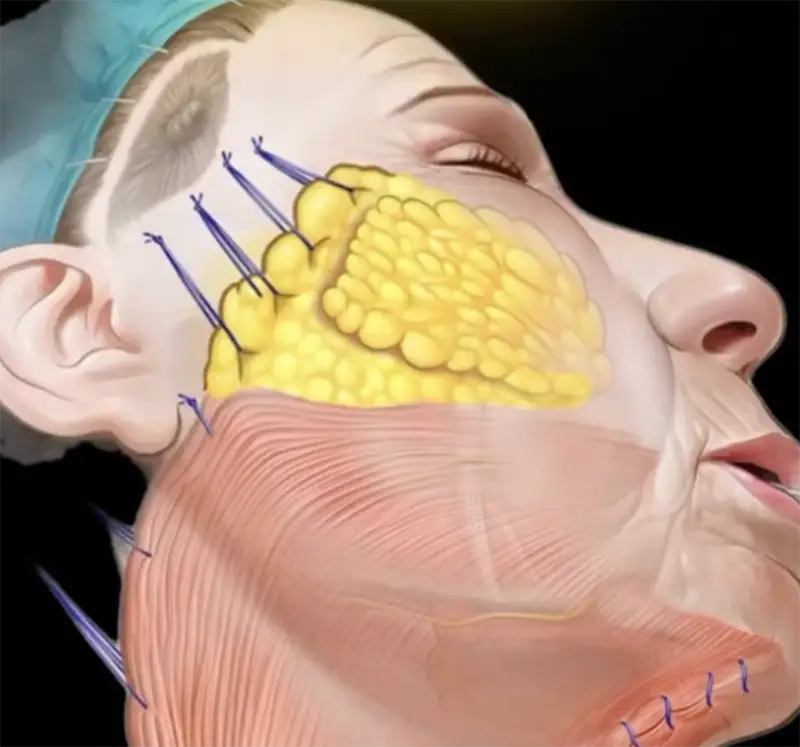
- Tailoring Surgery based on each patient's anatomy, rather than following a standard protocol
- Adjust the extent of the detachment as needed, without excess
- Choosing the Right Growth Drivers
- Properly Reposition Facial Fat
- Process the temporal region when necessary
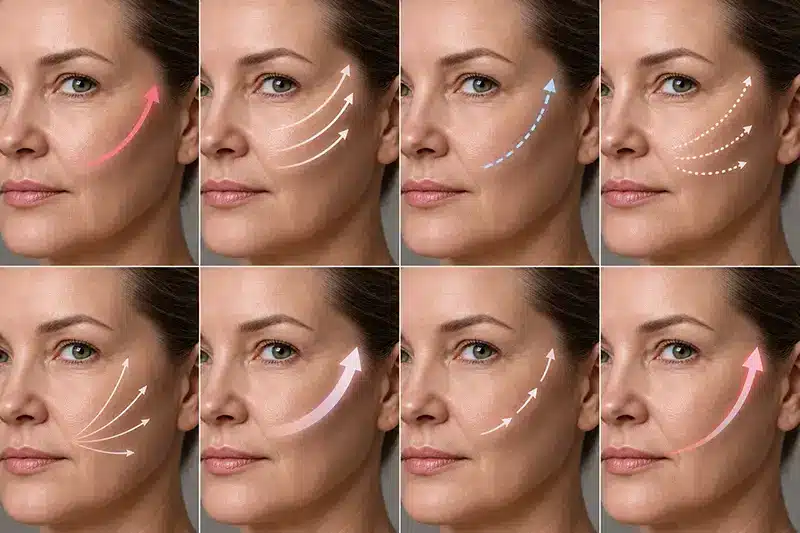
It is these customization elements—far more than the choice between Deep Plane and SMAS plication—that have a real impact on the final result.
The Deep Plane technique has real anatomical merit, particularly in older patients. But presenting it as a universally superior technique is an oversimplification that the scientific literature does not support. The most important factor in choosing a surgeon is not the technique they promote, but their ability to tailor their approach to each individual’s face.