
Still using tap water on your skin? Discover why thermal water could change everything.

Beneath its apparent simplicity, thermal water hides a dermatological power that is still largely unknown. Used since ancient times, this natural resource is making a comeback in contemporary beauty routines, driven by science and the growing needs of sensitive skin. Whether you are dealing with irritation, dryness, or simply a loss of radiance, thermal water could well be the forgotten step that will transform your skincare routine.
What is thermal water? A mineral spring with unique properties
An exceptional geological origin
Thermal water comes from deep underground aquifers where it is enriched with minerals and trace elements as it slowly travels through rock strata. It then emerges at a constant temperature, protected from pollution and free from pathogenic microorganisms. Each spring has a unique mineral signature depending on its geographical location.
Regulated purity
French regulations, among the strictest in Europe, rigorously control the collection and use of this water. It cannot be filtered or chemically treated. Bottling is subject to absolute sterility criteria to preserve its qualities.
What benefits does thermal water actually offer the skin?
1. Soothing and reducing inflammation
Thanks to its richness in elements such as selenium, zinc or manganese, Thermal water has powerful anti-inflammatory properties. It is clinically used to relieve the symptoms of eczema, rosacea, and psoriasis. It also soothes burning sensations (razor burn), itching, and skin redness, even after dermatological procedures.
2. Long-lasting hydration and strengthening of the skin barrier
The minerals contained in thermal water strengthen the skin's barrier function. Whether sprayed on or incorporated into skincare products, it deeply moisturizes the skin and preserves its hydrolipidic film, which is essential in protecting against environmental aggressions (pollution, hard water, climate change).
3. Healing and cell regeneration
Certain thermal waters stimulate the proliferation of keratinocytes and fibroblasts, cells involved in tissue repair. This makes it ideal for acne-prone, irritated, or post-operative skin. It promotes the disappearance of marques and accelerates skin regeneration.
Different compositions depending on the source: each skin type has its own thermal water
Each spring has its own mineral content: some are very concentrated (Uriage, Vichy), others are very mild (Avène, La Roche-Posay). The choice depends on skin tolerance and specific needs:
.Dry skin Water rich in calcium, magnesium, and silica.
. Oily/acne-prone skin Water rich in zinc, copper, and selenium.
.Sensitive skin : Low mineral content water with neutral pH.
. Mature skin Water containing iron, potassium, and antioxidants.
How can you use thermal water on a daily basis?
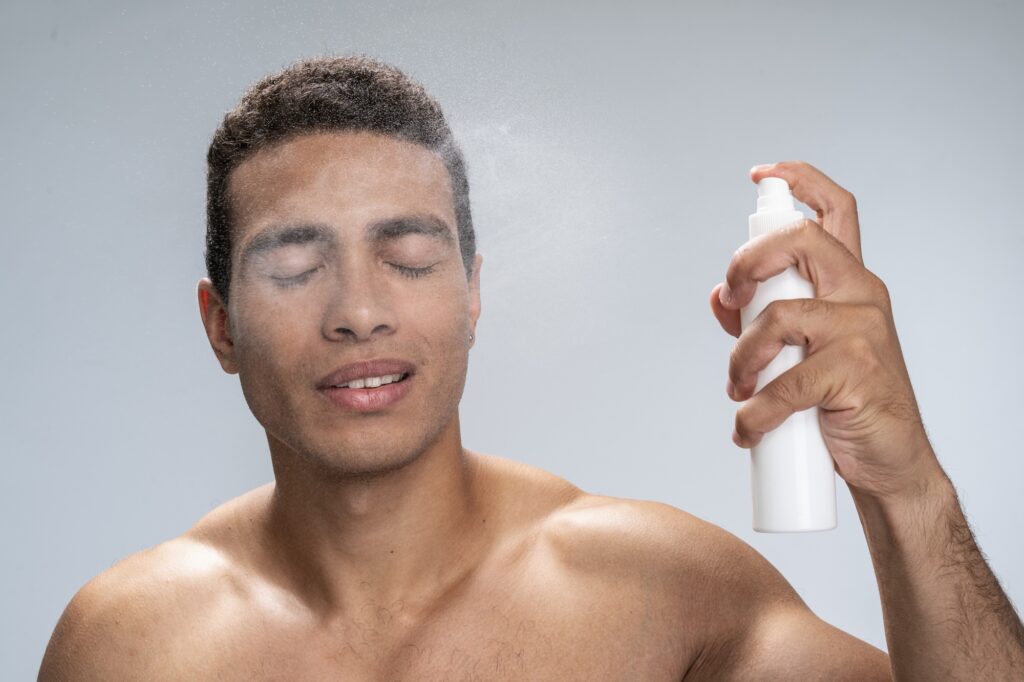
Spray: simple and effective
Thermal water mist is a quick way to soothe, refresh, or prepare the skin before applying skincare products. It is also useful for setting makeup or calming skin that has been heated by sun exposure.
In formulated cosmetic care products
Creams, serums, sunscreen, cleansing milks, masks, and post-dermatological treatment products: thermal water is incorporated into these products as the main active ingredient. These products provide long-lasting hydration and strengthen the skin's natural defense mechanisms.
For babies and sensitive skin
The high skin tolerance of thermal water makes it ideal for the delicate and reactive skin of infants. Used during diaper changes or bath time, it reduces irritation and moisturizes without causing harm.
Men's skincare
Thermal water is also highly prized after shaving. Simply spray it onto the affected areas or apply an aftershave product formulated with soothing thermal water. This relieves irritation caused by the razor, while moisturizing and helping to regenerate the skin.
Focus: A proven and supervised dermatological solution
The benefits of many thermal waters have been recognized by clinical studies. Some are used in thermal centers specializing in severe skin conditions. The high prebiotic or postbiotic content of certain waters also contributes to the balance of the skin's microbiota.


