RoC Hydra+ Hyaluronic: I was expecting a water-based serum, not silicones

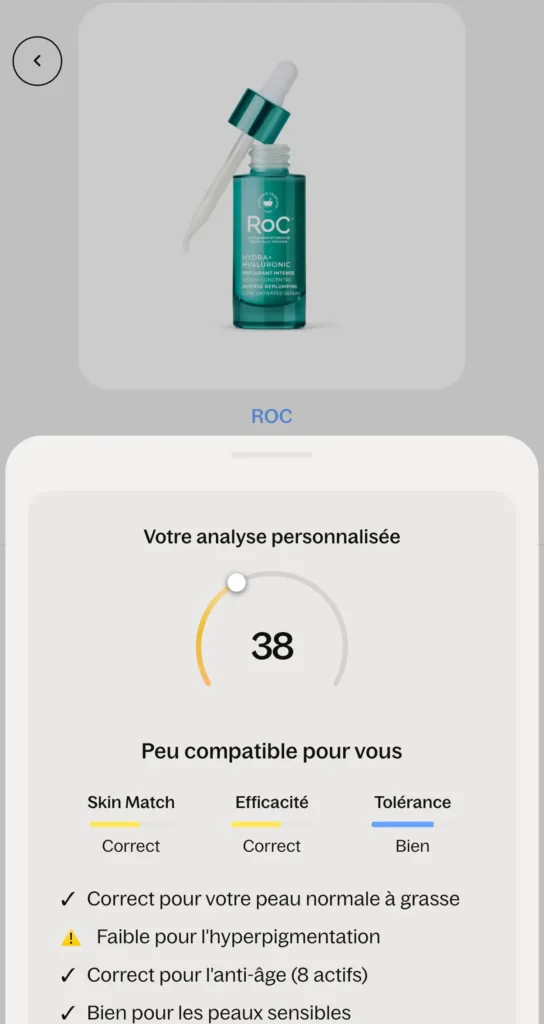
RoC's Intense Hydra+ Hyaluronic Plumping Serum (€36.90 for 30 ml) is marketed as a treatment «inspired by dermal fillers,» with «7 concentrated forms of’hyaluronic acid » and «Pro-Collagen amino acids.» The brand cites instrumental measurements taken on 34 people, 100 % of whom reportedly observed visibly plumped-up wrinkles within a few minutes.
Don't miss any skincare insights
Click «Follow» to receive my upcoming asset analyses and product reviews directly in your Google app.
Follow Beautydecoded on Google →📌 See also: SVR is removing salicylic acid from its Sebiaclear Active Gel: Is this a good or bad idea?
When you read «serum» and «hyaluronic acid,» you might imagine a watery liquid with humectants at the top of the ingredient list. While water is indeed the first ingredient, the rest of the list tells a different story.
What the INCI Says
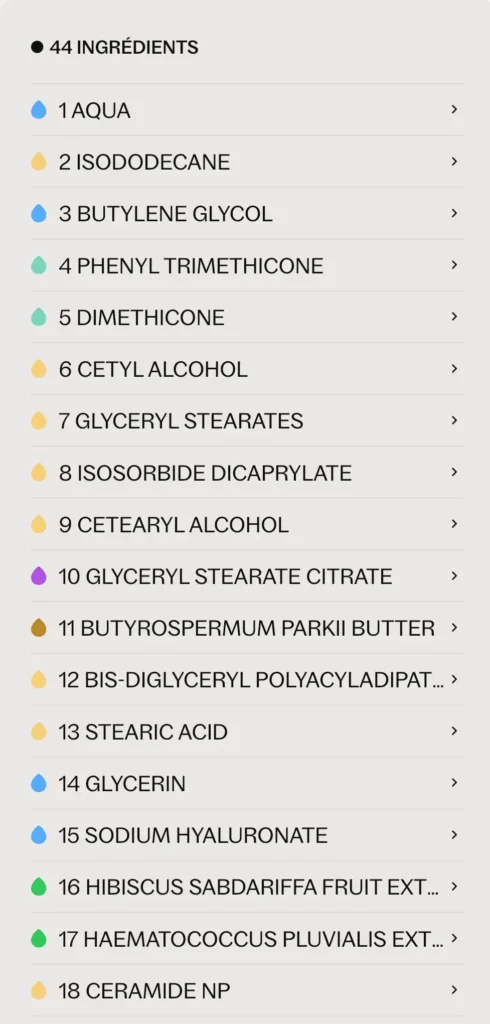
Between the 2nd and 13th positions, there is only one humectant: butylene glycol, listed in the 3rd position. Everything else consists of emollients, fatty alcohols, and silicones. Phenyl Trimethicone and Dimethicone are listed in 4th and 5th place, ahead of glycerin (14th) and Sodium Hyaluronate (15th). Shea butter is 11th. Cetyl Alcohol, Cetearyl Alcohol, glyceryl stearates, and stearic acid are typical texturizing agents found in an emulsion: the formulation resembles that of a light cream more than that of an aqueous serum.
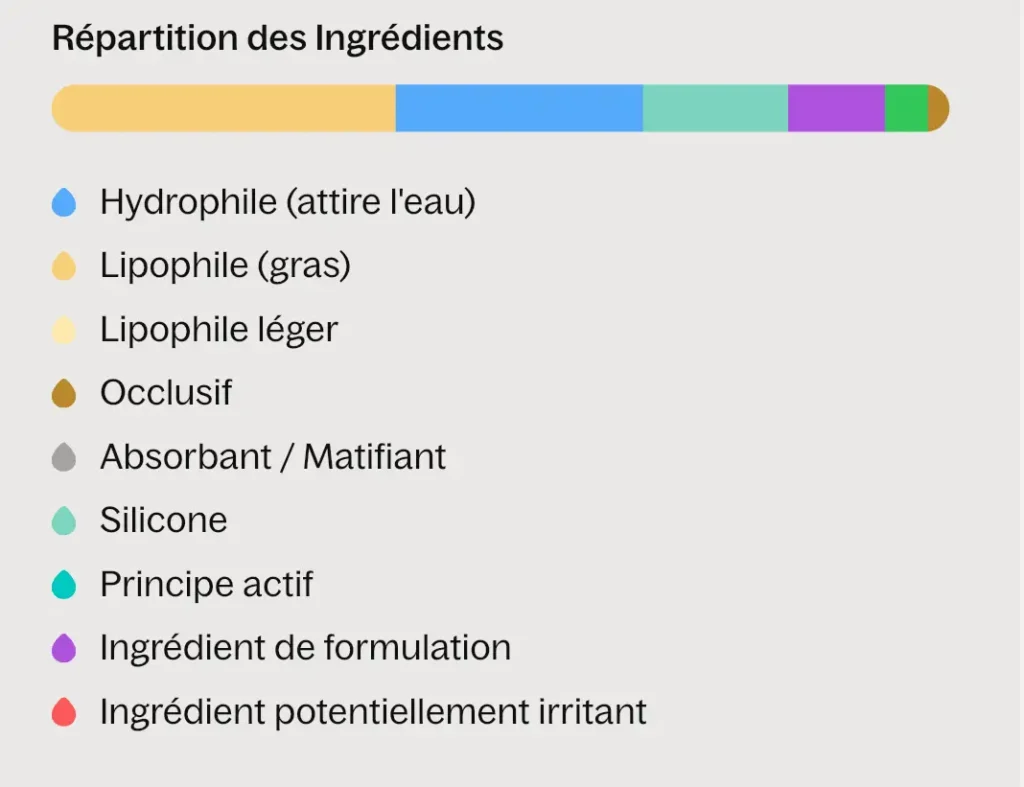
More fat than water-based ingredients…
Two clarifications, just to be clear. Isododecane, listed as the second ingredient, is a volatile solvent that evaporates after application: the final texture is therefore lighter than the ingredient list might suggest.
Verdict
Hydra+ Hyaluronic by RoC In my opinion, it's a good moisturizer that softens and plumps the skin, but it's not the water-based serum that its name and marketing claims might lead you to believe.
How to use it. Given its formula, which is rich in silicones and emollients, this product primarily acts as a sealant: it smooths the skin and reduces water loss. To get the most out of it, I would apply it to skin that’s already well-hydrated, after using a lotion or serum rich in humectants (glycerin, hyaluronic acid, panthenol). The moisture applied beforehand would then be locked in by the silicones and emollients, which compensates for the fact that its humectant content remains modest.
In terms of anti-aging, the formula is fairly basic: ceramides, squalane, and antioxidants support the skin barrier and protect the skin, but it does not contain any active ingredients with well-documented efficacy against wrinkles (retinoids, vitamin C, niacinamide). The plumping effect comes mainly from hydration and surface smoothing.
This is something that the INCI cannot confirm.
- The «7 forms of hyaluronic acid»: I only see one name, Sodium Hyaluronate, in 15th place. This isn't necessarily wrong—since the same INCI name can refer to several different molecular weights—but consumers have no way of verifying this.
- «Pro-Collagen Amino Acids»: I don't know which ingredient on the list this complex corresponds to, nor at what concentration it is present.
For whom? For skin seeking comfort, suppleness, and an immediate smoothing effect, yes. For a true long-term anti-aging strategy, you’ll need to look to better-documented active ingredients (retinoids, vitamin C in the right dosage, niacinamide), which are absent here. I’d be more cautious with very oily or blemish-prone skin, due to the proportion of emollients and oils.
Scan your serum
To find out if your serum is right for your skin type Download the Beauty Decoded app (iOS and Android) Scan your products, decipher their INCI listings, and compare what the packaging promises with what the formula actually contains.
The rating depends on your skin!