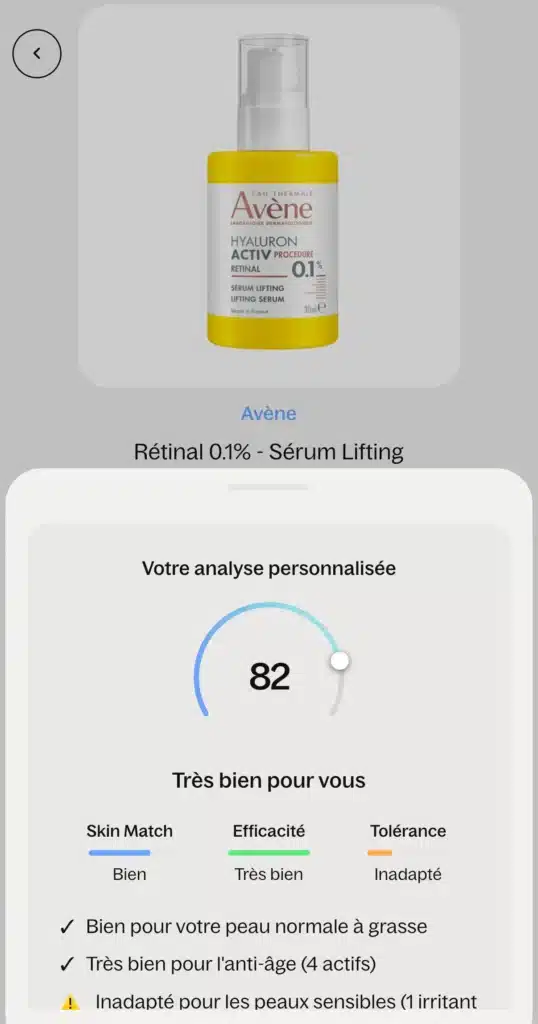
Avène is launching an anti-wrinkle serum for €58: Is the pharmacy brand changing its strategy?

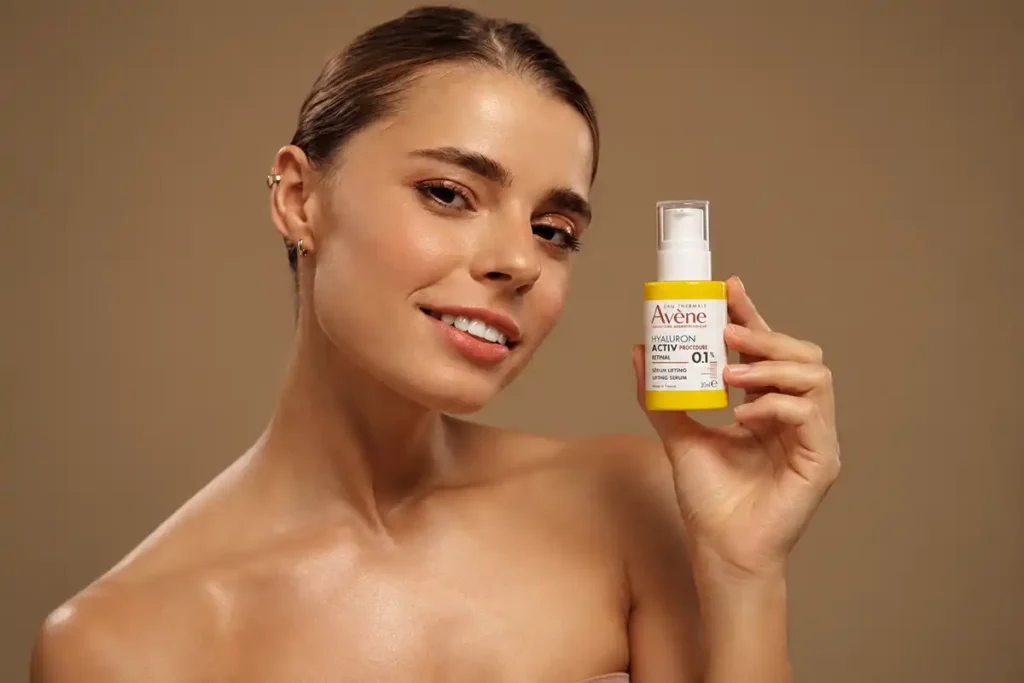
58 € for 30 ml at Sephora: the Hyaluron Activ Procedure serum is Avène’s most expensive product. For a brand built on thermal water and sensitive skin, this sends a strong message. 0.1 % of retinol, 3.42 % of trehalose, «dermo-aesthetic» marketing claims: we’ve pored over the product description and the INCI list to find out if this drugstore brand is truly changing course.
Don't miss any skincare insights
Click «Follow» to receive my upcoming asset analyses and product reviews directly in your Google app.
Follow Beautydecoded on Google →📌 See also: RoC Hydra+ Hyaluronic: I was expecting a water-based serum, not silicones
Three Signs That Avène Is Targeting the High-End Market
Several elements of the communication point in the same direction.
The price. At €58 for 30 ml—or about €1.90 per milliliter—this is a far cry from the usual price of drugstore products in this segment. The cost of raw materials doesn’t account for this difference: the INCI list is short and consists of common ingredients. What you’re paying for is the brand’s positioning.
The term «dermo-aesthetics.». The fact sheet discusses an «innovation” Avene »Dermo-Aesthetics,« »developed with aesthetic dermatologists,« and specifies that the product can be used »as a complement to a cosmetic procedure." The focus is no longer just on soothing sensitive skin, but on lifting, repair, and cellular longevity. This falls within the realm of aesthetic medicine, not that of traditional pharmacy.
The selection of assets. Retinal, trehalose, fragmented hyaluronic acid: ingredients frequently mentioned by medical-aesthetic practices and marques providers. Avène clearly wants to stake its claim in this space.
This trend is not an isolated one. Dermo-cosmetic marques brands are seeking to align themselves with the medical-aesthetics sector, which is more highly regarded and where the average transaction value is higher. Avène isn’t breaking new ground—it’s simply following a trend.
What's Really in the Formula
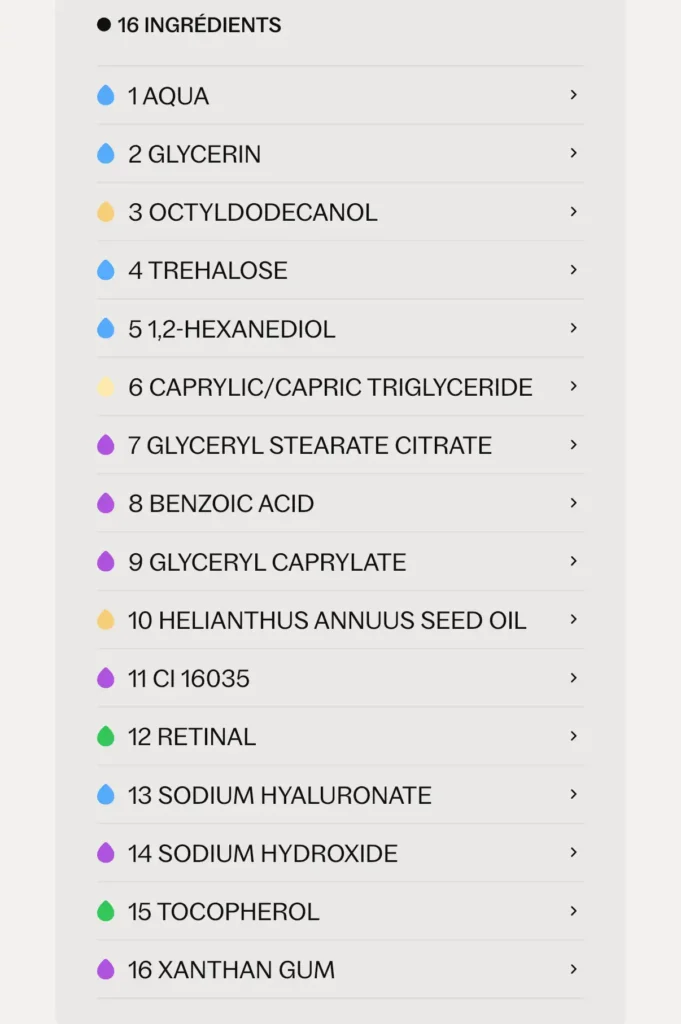
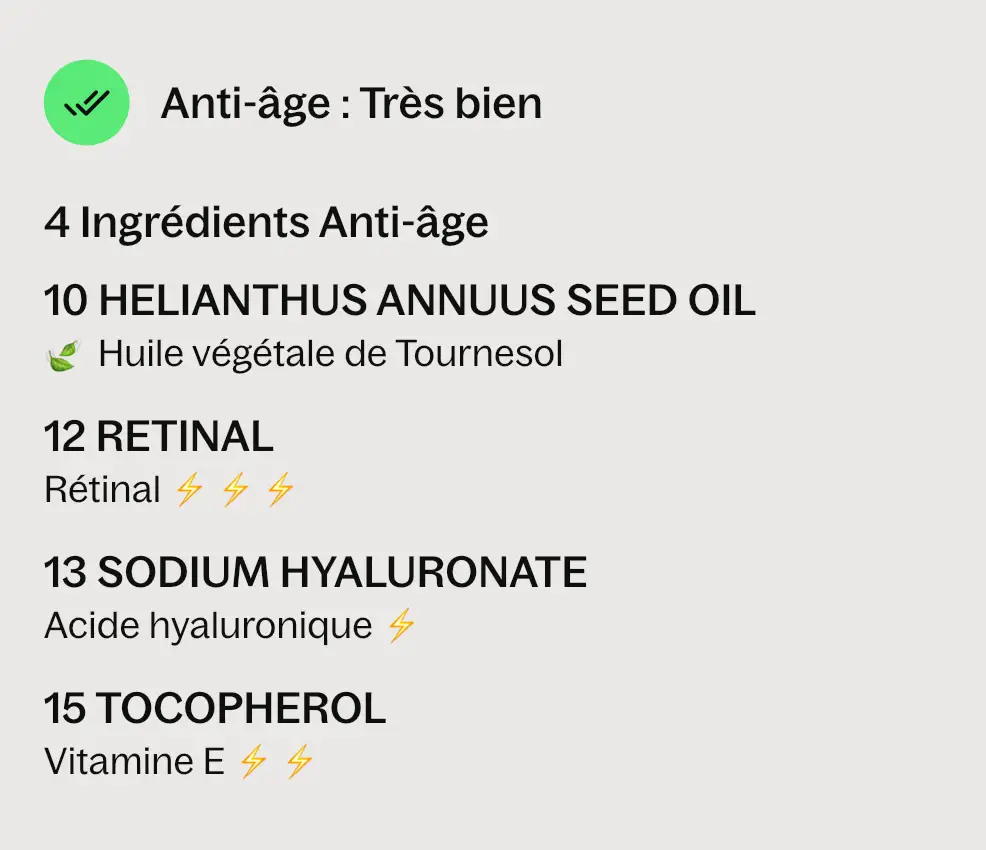
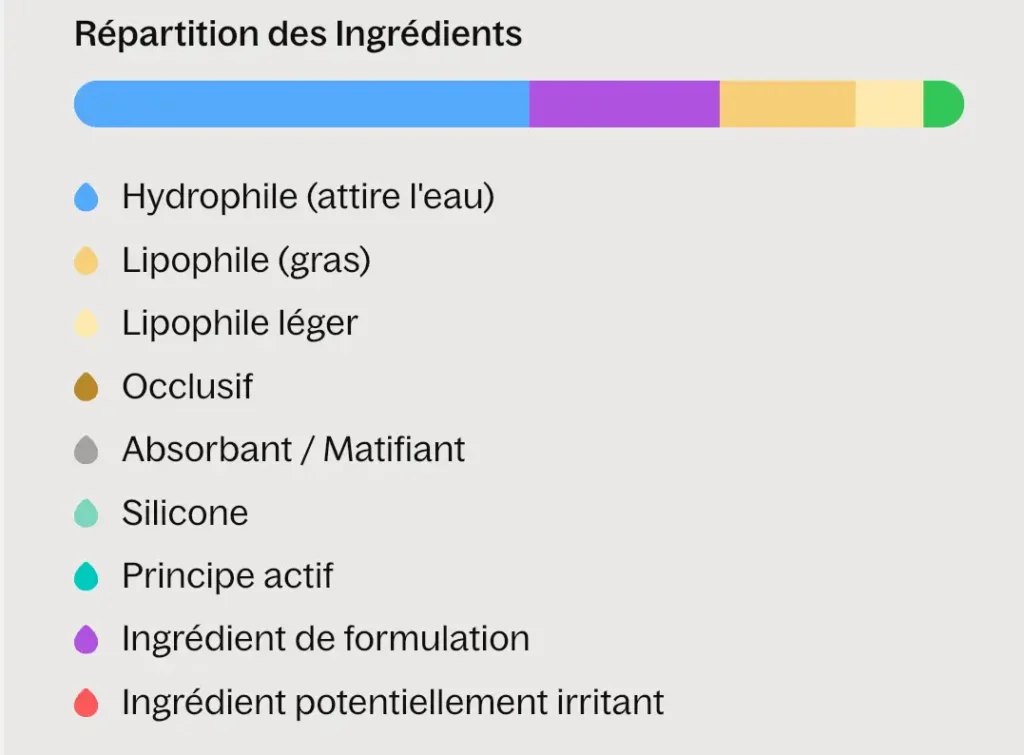
The INCI list begins with Avène thermal spring water, followed by glycerin, octyldodecanol, and trehalose. Retinal appears further down the list, which is normal for an active ingredient at a concentration of 0.1 %.
0.1 % retinal: the real advantage. Retinal (or retinaldehyde) is a vitamin A derivative that is one step removed from retinoic acid, compared to two steps for retinol. The brand clearly states the concentration, which is a plus.
3.42 % trehalose: a good moisturizer—a very ambitious claim. Trehalose is a moisturizing and protective sugar that is perfectly legitimate for use in cosmetics. However, the claim that it ’increases cellular longevity« is based on laboratory studies.
Hyaluronic acid at 0.4 %
For which skin types?
The blend of ingredients is well-balanced, making it ideal for normal to dry skin, but also very suitable for normal to oily skin.
Points of Concern
The stability of retinal. It is a fragile molecule that is sensitive to light and oxidation. The only antioxidant listed in the INCI is tocopherol.
The food coloring Red 40 (CI 16035). A colorant that offers no benefit to the skin, likely included to mask the color of retinal and give the product an «active» appearance.
So, is Avène changing its strategy?
Avene moves upmarket, and it does so in a fairly obvious way: higher prices, language borrowed from cosmetic medicine, and a focus on cosmetic procedures.
Should I buy it?
If you're looking for a retinoid and texture and tolerability are important to you, this serum is a solid choice: the 0.1 % retinal is a good concentration to start or maintain an anti-aging routine.
Here are a few tips for use that apply to all retinoids:
- Start with 2 to 3 evenings a week, then increase as tolerated.
- Apply it in the evening, and use sunscreen every morning.
- Be patient: it may take several months to see the effect on wrinkles.
Scan your serum
To find out if your serum is right for your skin type Download the Beauty Decoded app (iOS and Android) Scan your products, decipher their INCI listings, and compare what the packaging promises with what the formula actually contains.
The rating depends on your skin type