Can I use an oil on my face if I have oily skin?

You have the oily skin and the idea of applying an oil to your face seems counter-intuitive? Think again! Vegetable oils can be an ideal solution for regulating sebum production and moisturize the skin, as long as you choose the right ones for your skin type.
Why apply oil to oily skin?
The idea of putting oil on oily skin seems paradoxical. Indeed, when we have shiny skin, our first reflex is often to try to "dry" it with astringent products. But this approach is far from effective in the long term. By using overly aggressive products, you run the risk of unbalancing your skin and stimulating the overproduction of sebum. The solution? Opt for sebum-regulating plant oils, capable of rebalancing sebum production while deeply moisturizing the skin.
The Effects of Oil on Oily Skin
Oily skin often suffers from two major problems: excessive sebum production and a lack of hydration. Well-moisturized skin needs not only water, but also lipids to function properly. The application of a oil helps reinforce the skin barrier by creating a protective layer over the epidermis. This limits water loss and helps the skin maintain a healthy balance.
It's important to note that not all oils are suitable for oily skin. Some can clog pores and worsen skin problems. imperfections. So it's crucial to choose a non-comedogenic oil, i.e. one that won't clog pores.
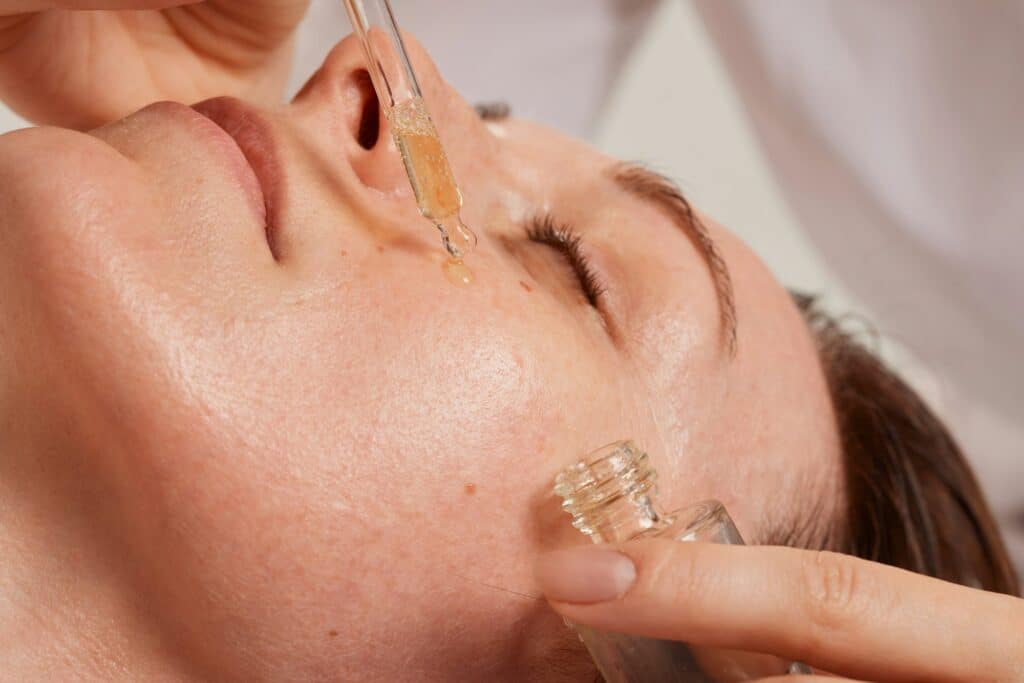
How to choose an oil for oily skin?
The choice of oil is essential to avoid aggravating imperfections. For this, we refer to the comedogenicity index, a scale from 0 to 5 that indicates an oil's potential to clog pores.
- Index 0 (non-comedogenic) Oils ideal for oily skin, such as jojoba oil, hazelnut oil or grapeseed oil.
- Index 1 to 2 (low comedogenicity) Lightly comedogenic oils, such as argan oil, are suitable for certain types of oily skin, but should be used with caution.
- Index 3 to 5 (highly comedogenic) Oils to avoid, such ascoconut oil or wheat germ oil, as they can clog pores and cause imperfections.
Sebum-regulating oils: your allies
Sebum-regulating oils are plant oils that help balance sebum production without weighing down the skin or leaving a greasy film. Here are a few examples of oils recommended for oily skin:
- Jojoba oil Known for being the closest to the composition of human sebum, it helps regulate natural sebum production and deeply moisturizes without clogging pores.
- Hazelnut oil Light and penetrating, it has balancing and repairing properties. It is particularly effective for combination to oily skin.
- Grape seed oil Lightweight and rich in antioxidants, it regulates sebum production and tightens pores, while providing non-greasy moisturization.
When and how to apply an oil to oily skin?
Using an oil in a skincare routine for oily skin requires a few precautions. Here are the recommended steps for optimal application:
- Cleaning in depth Before applying an oil, thoroughly cleanse your skin with a mild, non-irritating, sulfate-free cleanser.
- Application after serum The oil is applied after the serum to seal in moisture and reinforce the skin barrier.
- Using a small quantity One to two drops are generally sufficient for the entire face. Massage gently until completely absorbed.
- Double cleaning for make-up removal If you use an oil to remove your make-up, be sure to clean your face thoroughly afterwards to prevent any residue from clogging your pores.
The benefits of oils for oily skin
Vegetable oils, especially those with sebum-regulating properties, have many benefits for oily skin. Here's a summary of their benefits:
- Hydration They restore the hydrolipidic barrier, essential for maintaining skin hydration.
- Sebum regulation They help balance sebum production, preventing excessive shine and imperfections.
- Properties antioxidants Certain oils, such as grapeseed oil, are rich in antioxidants, which protect the skin from free radicals and slow down skin aging.
- Non-comedogenic If well-chosen, they won't clog pores and help maintain clear, blemish-free skin.
Applying oil to oily skin may seem counter-intuitive, but it's actually an effective solution for balancing sebum production and moisturizing the skin. By choosing non-comedogenic, sebum-regulating oils such as jojoba or hazelnut oil, you'll provide your skin with the lipids it needs to regulate itself naturally.